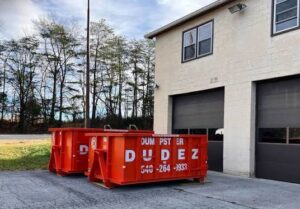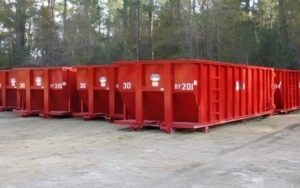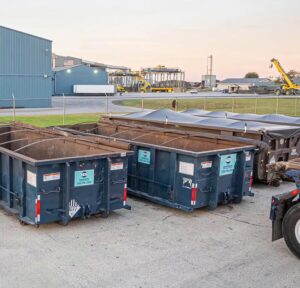
Keeping a property clean during a major renovation or cleanup can be challenging. Old furniture, broken appliances, construction debris, and unwanted household materials can accumulate faster than expected. I have found that organizing waste removal before starting a project saves considerable time and prevents unnecessary clutter. Dumpster services provide a practical solution by giving homeowners, contractors, and businesses a convenient place to collect unwanted materials.
Why Proper Waste Management Matters
Waste management is an important part of maintaining safe and organized properties. When debris is left scattered around a home or construction site, it can interfere with daily activities and make routine work more difficult. A designated dumpster helps keep unwanted materials in one location until they can be collected and transported for disposal.
I always encourage property owners to consider waste removal when preparing a project budget. It is easy to focus on labor, equipment, and building materials while overlooking the cost of removing debris. However, having a disposal arrangement from the beginning can prevent unexpected delays and additional transportation expenses.
Proper waste collection also makes it easier to maintain a cleaner working environment. Workers can dispose of materials throughout the day instead of allowing waste to accumulate in walkways and other important areas.
Selecting a Suitable Dumpster Size
Choosing an appropriate container is one of the first decisions customers need to make. Dumpster sizes vary depending on the provider, and each option is designed to accommodate different amounts of waste. Selecting a container that matches the project requirements can help control rental costs and improve convenience.
Smaller containers are often suitable for garage cleanouts, minor landscaping projects, and household decluttering. Medium-sized dumpsters can accommodate larger renovation work, while high-capacity options are commonly used for construction projects and commercial property cleanups.
I recommend estimating the total waste volume before contacting a rental company. Customers should also consider the materials being removed because heavy debris can reach weight limits before a container appears completely full. Discussing these details with the provider helps avoid unnecessary complications.
Managing Waste During Home Improvement Projects
Home improvement projects frequently generate large quantities of unwanted materials. Replacing kitchen cabinets, removing old flooring, renovating bathrooms, and repairing roofs can produce debris that ordinary household garbage services may not accept.
Having a dumpster available makes these projects easier to manage. Instead of creating temporary piles around the property, homeowners can place acceptable materials directly into the container. This helps maintain a cleaner space while allowing renovation work to continue without frequent disposal trips.
Another important consideration is the rental period. Some projects take longer than expected because of material deliveries, contractor availability, or unexpected repairs. Before booking, customers should understand how much time is included and what happens if an extension becomes necessary.
Benefits for Contractors and Business Owners
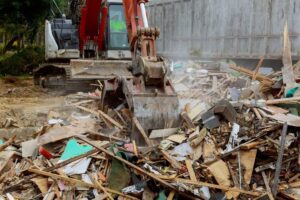
Construction companies and commercial property managers often deal with waste on a much larger scale. Demolition materials, damaged equipment, packaging, scrap wood, and general debris can quickly fill available storage areas.
Professional dumpster rentals provide a centralized collection point that supports better site organization. Contractors can arrange containers according to their project schedules and request additional pickups when necessary. This reduces the need to transport smaller quantities of waste repeatedly.
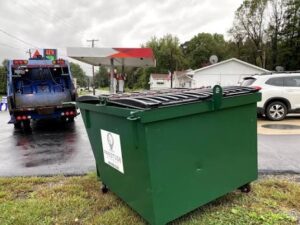
Businesses can also benefit from regular dumpster arrangements. Retail stores, warehouses, offices, and property management companies may produce consistent amounts of packaging and general waste. Having a dependable collection schedule helps maintain cleaner facilities and creates a more organized environment for employees and customers.
Understanding Rental Pricing and Additional Fees
The cost of renting a dumpster depends on several factors. Container size, rental duration, delivery location, disposal charges, and weight allowances can all influence the final price. Some providers include transportation and disposal within their quoted rates, while others charge separately for certain services.
I recommend asking for a detailed estimate before confirming a rental. Understanding the included weight allowance is particularly important when disposing of concrete, roofing shingles, soil, or other heavy materials.
Customers should also ask about prohibited items. Paint, chemicals, batteries, hazardous materials, and certain electronic products may require specialized disposal methods. Following the provider’s guidelines helps prevent additional charges and ensures that waste is handled responsibly.
Improving Recycling and Disposal Practices
Responsible disposal is about more than removing unwanted materials from a property. Recycling suitable items can reduce landfill waste and support better resource management. Depending on local facilities, cardboard, metals, concrete, and certain plastics may be accepted for recycling.
I believe planning for recycling before a cleanup begins makes the process much easier. Contractors can separate reusable materials during demolition, while homeowners can identify furniture or appliances that may still have value. This prevents potentially useful items from automatically becoming general waste.
Dumpster rental companies can provide information about accepted materials and available recycling arrangements. Asking these questions allows customers to make informed decisions about their disposal options.
Preparing for Dumpster Delivery
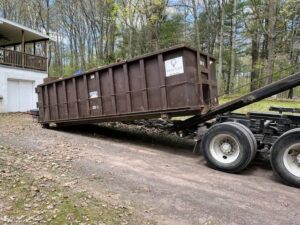
Proper preparation helps ensure a smooth delivery process. Customers should choose a location with enough space for the container and the delivery vehicle. Driveways and designated work areas are common choices, although surface conditions and local placement regulations should always be considered.
It is also important to remove vehicles, equipment, and other obstacles before the scheduled delivery. If the dumpster will be placed on a public street, local authorities may require a permit.
Once the container arrives, users should follow loading instructions carefully. Distributing heavy materials evenly, breaking down large items when possible, and keeping waste below the fill line can help make collection safer and more efficient.
Making Every Cleanup Project More Efficient
A well-organized waste removal plan can make a noticeable difference in the success of any cleanup. Professional dumpster services provide a convenient way to collect debris, reduce clutter, and maintain cleaner residential and commercial spaces.
The best results usually come from selecting the correct container, understanding rental conditions, and arranging collection around the project’s schedule. Taking these steps before work begins can help prevent unnecessary expenses and interruptions.
Whether the goal is to renovate a property, clear an old storage area, or manage construction debris, having a reliable waste disposal arrangement makes the entire process easier. With proper preparation and a suitable rental provider, property owners and contractors can focus more attention on completing their projects successfully.